How to plan an art-centre visit
Visiting an art centre in Aotearoa New Zealand is not the same as walking into a gallery in London or New York.

Visiting an art centre in Aotearoa New Zealand is not the same as walking into a gallery in London or New York. The ecosystem is small, tightly networked, and shaped by relationships between institutions, artists, and communities. the material below gives you a practical method for planning a visit that is respectful, informed, and genuinely useful, whether you are a first-time visitor, a buyer, or a collector. The one idea you will not find on a competitor’s page: treat the historic mansion as the first artwork, because the domestic-scaled rooms and parkland setting change how every work inside reads.
The physical anchor: Pah Homestead in Monte Cecilia Park
The site is a two-storey Italianate mansion built in the late 1870s, set within Monte Cecilia Park in Hillsborough, roughly 20 minutes from central Tāmaki Makaurau. The structure is listed by Heritage New Zealand Pouhere Taonga as a Category I historic place, and it is the only intact example of its style in the region. Auckland Council owns the land and the mansion, and the surrounding park is public. The building’s architecture, verandas, high ceilings, and sequence of domestic-scale rooms are the reason many people visit before they look at a single artwork.
From 2000 to 2024 the site operated as the home of the Wallace Arts Centre, run by the James Wallace Arts Trust, a private charitable trust. That arrangement has ended. The Trust is not the same as Auckland Council, and it is not a public gallery in the legal sense. If you are reading this after the Trust’s operations have changed, check the council’s website for the current status of the building and grounds, because the council is the landowner and the authoritative source for access and opening hours. The Trust’s own website, if still live, is the only source for its current exhibitions and programming.
What the material below is not
This is an independent guide. It does not speak for the Wallace Arts Trust or for Auckland Council. The Trust’s current operations, exhibition schedule, and future plans are outside its scope. If you need that information, contact the Trust directly. The building and grounds are managed by the council; always verify current access and programming with the venue or the council before travelling. the material below was written in 2025 and does not guarantee current opening hours or exhibitions.
Start with the building, not the art
Walk the exterior before going in. Note how the architecture frames the land and how the parkland frames the structure. This matters because the art inside was often selected to be shown in a domestic-scaled space, not a white cube. The proportions of the rooms, the natural light, and the relationship between inside and outside all affect how a work reads.
The ground floor is largely accessible, but the upper level has stairs; there is no lift. If you are a wheelchair user or have limited mobility, call ahead to confirm which areas are accessible on the day of your visit. This is changeable and should be verified with the council or the venue before travelling.
How to read the site’s history
The mansion’s distinct architectural character, its tower and verandas, and its setting in about 10 hectares of parkland make it a destination in its own right. The Wallace Arts Trust occupied it for decades, building a collection that includes significant works of New Zealand modernism, Māori art, and contemporary Pacific art. The Trust received funding from the former ASB Bank and the James Wallace family, and it operated the Homestead as a public-facing gallery. That relationship has ended, and the building is no longer the Wallace Arts Centre. The council’s records are the most reliable source for the building’s history and current land status.
Why an art-centre visit differs from a gallery visit
An art centre is not a commercial gallery. It is not primarily a shop. It is a place where work is shown, talked about, and sometimes sold, but the centre’s job is to present a point of view, not to move inventory. When you visit, you are entering a conversation that has been running for decades, in a building with its own history and in a city with its own art-world etiquette. The practical question is not “what should I look at?” but “how do I read this place and the people in it?”
The wider ecosystem
Contemporary art in Aotearoa New Zealand operates as a small, highly networked ecosystem. Māori and Pasifika perspectives are not a niche but the central conversation. The distinction between “gallery” and “dealer” is blurring: many commercial galleries also curate, and many public institutions also sell editions. Newcomers most often get it wrong by assuming the market behaves like a smaller version of New York or London. In fact, it is driven by a handful of institutions, a tiny pool of collectors, and a deep sensitivity to cultural provenance and relationship. Buying art here is as much about entering a community and respecting its protocols as it is about acquiring an object.
Te Papa Tongarewa holds major national collections and is the benchmark for curatorial standards and cultural protocols, especially for Māori and Pacific works. Auckland Art Gallery Toi o Tāmaki defines the historical canon against which contemporary work is measured; its collection includes foundational figures like Rita Angus, Colin McCahon, and Ralph Hotere. Creative New Zealand is the main public funder, and its grant decisions shape which artists and projects gain visibility.
What you are actually walking into
The mansion sits in the 14-hectare Monte Cecilia Park. The building is managed by the council, and the parkland surrounding it is a public park. The Trust’s collection was built over decades. The Trust’s relationship with the Homestead ended, and the Trust’s current operations are separate from the building. If you are seeking official information about the Trust’s collection or future exhibitions, contact the Wallace Arts Trust directly. The mansion and park remain open to the public.
How to plan your arrival
Check the current operator’s website for opening hours, exhibitions, and entry fees; these change without notice and the material below does not hold that information. Confirm accessible areas by phone before travelling if you have mobility needs. Arrive early enough to walk the grounds and the building exterior before you enter. Inside, move through the domestic-scaled rooms slowly. Let the architecture, the light, and the relationship between inside and outside shape how you encounter each work.
More in this guide
Pah Homestead and its art historyHistory of the Wallace Arts CentreBuild a coherent gallery wall.
Read next
-
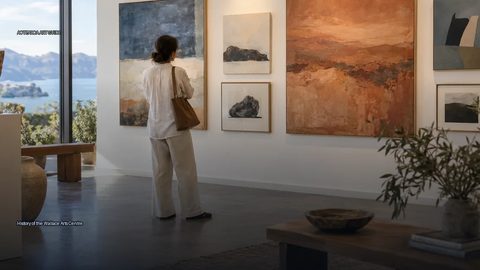 History of the Wallace Arts Centre
The Wallace Arts Centre operated for over two decades inside Pah Homestead, a 19th-century mansion in Auckland’s Hillsborough suburb, on land owned by Auckland Council.
-
 Pah Homestead architecture
Pah Homestead is a historic house in Hillsborough, Auckland, set inside Monte Cecilia Park and owned by Auckland Council.
-
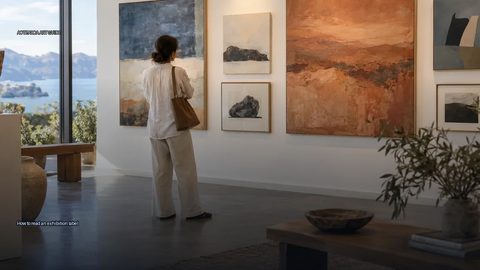 How to read an exhibition label
An exhibition label is not a neutral caption. It is a set of decisions made by a curator, a registrar, a gallerist, or an artist, and it carries both verified facts and quiet opinions.
-
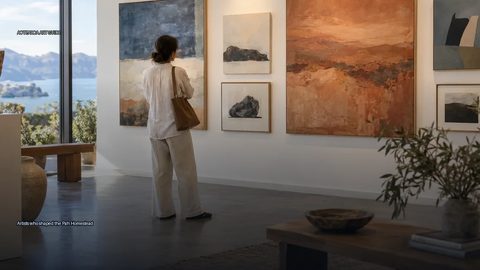 Artists who shaped the Pah Homestead
To understand which artists shaped the Pah Homestead, you need to separate documented residencies, commissions, and shows from general association.
-
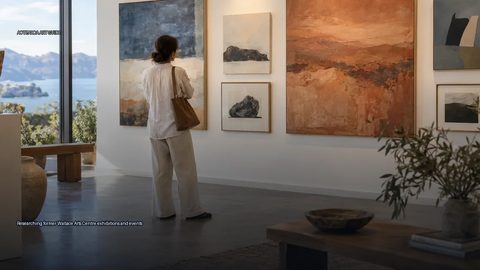 Researching former Wallace Arts Centre exhibitions and events
If you are trying to trace an exhibition or event that took place at the former TSB Bank Wallace Arts Centre, you are not alone.
-
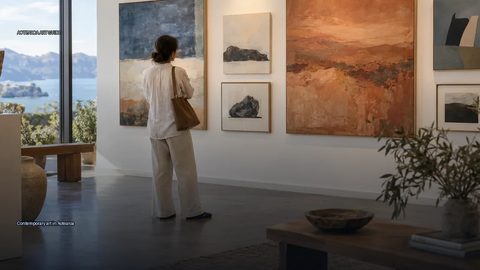 Contemporary art in Aotearoa
 New Zealand is a small, tightly networked ecosystem. Māori and Pasifika perspectives are not a niche within it; they are the central conversation.